



Who pays for the wedding dress?
Who pays for the wedding dress? There is no single rule: the answer depends on each family's traditions, the country and the couple's budget. Here is what custom says, what is most common today and who covers the other outfits at an oriental wedding.
Who pays for the wedding dress according to tradition?
In European tradition, the wedding dress was often a gift from the bride's family. In many North African families, things are shared differently: the groom and his family offer part of the gifts to the bride, which may include fabrics, jewellery or outfits. These customs vary from one region and one family to another.
Who pays for the wedding dress today?
- The bride herself: this is common, especially when she wants to choose her dress on her own.
- Her parents: they offer the dress or contribute to it as a gift.
- The couple: the dress is part of the shared wedding budget.
- The groom's family: in some families, following the custom of wedding gifts.
The simplest approach is to talk about it early, together with the rest of the wedding budget.
What about the other outfits at an oriental wedding?
An oriental wedding often has several moments, each calling for an outfit: the henna night, the ceremony, the party. For family and guests, the most common practice is that each woman chooses and pays for her own outfit.
For the mother, sisters and close family
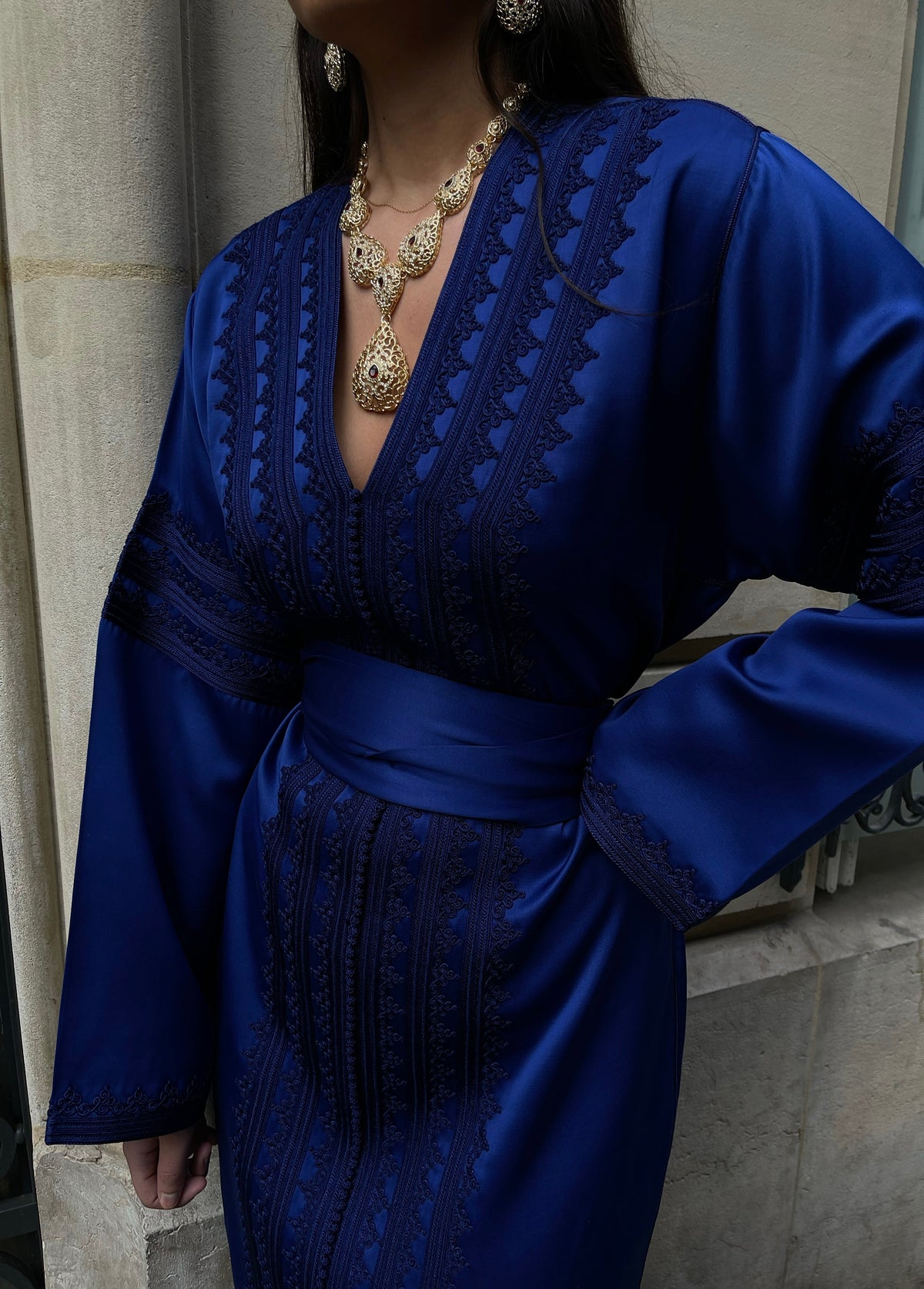
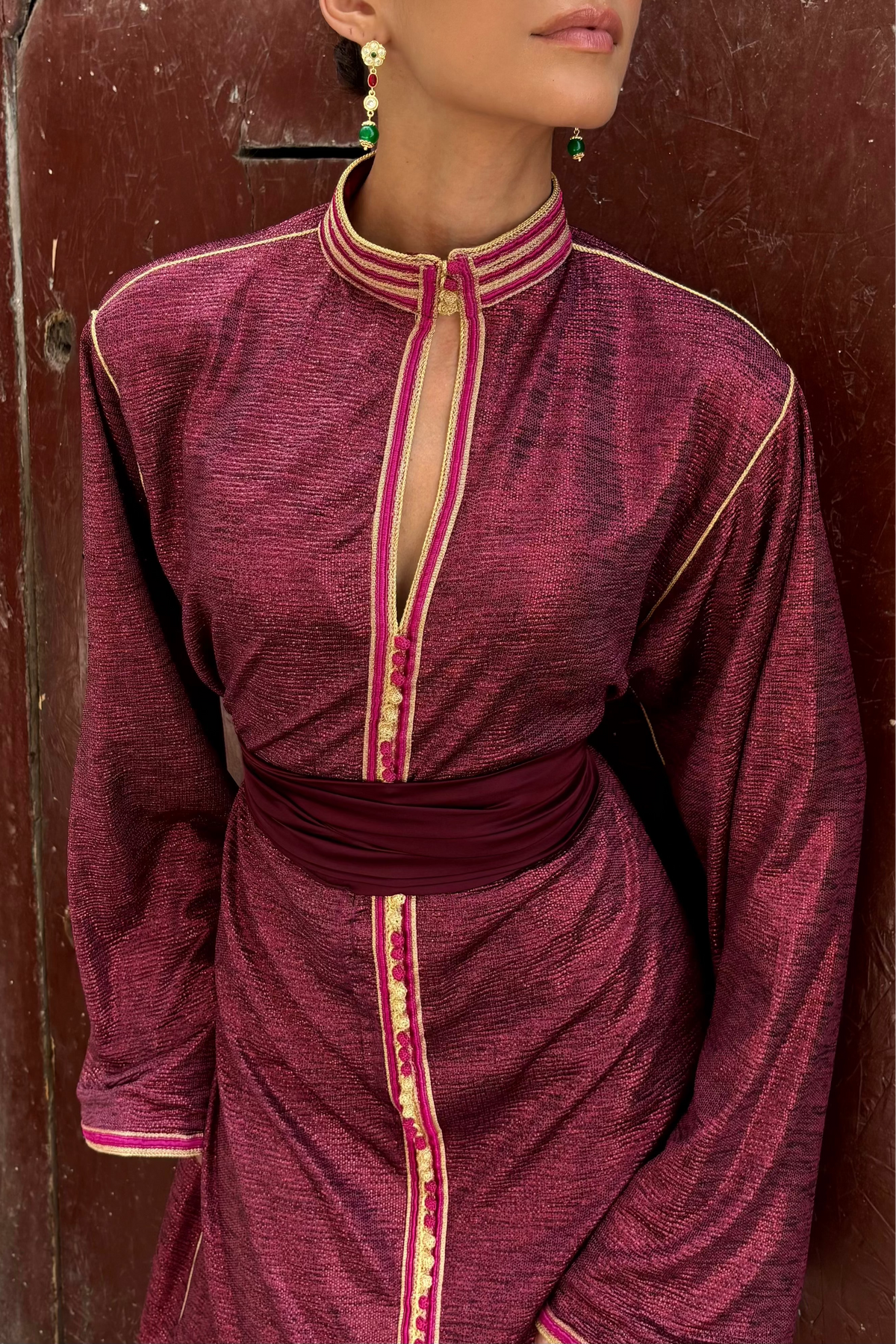
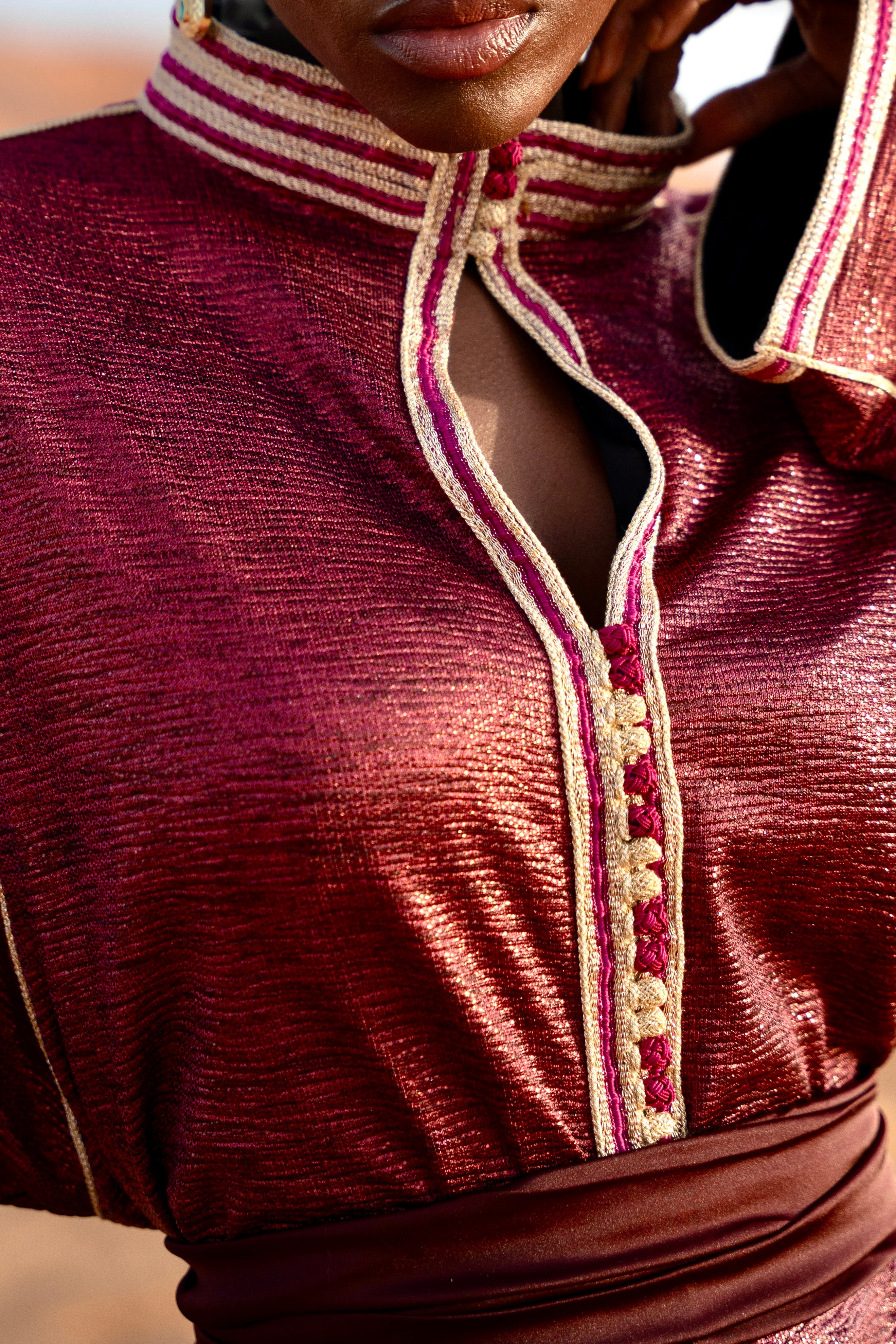
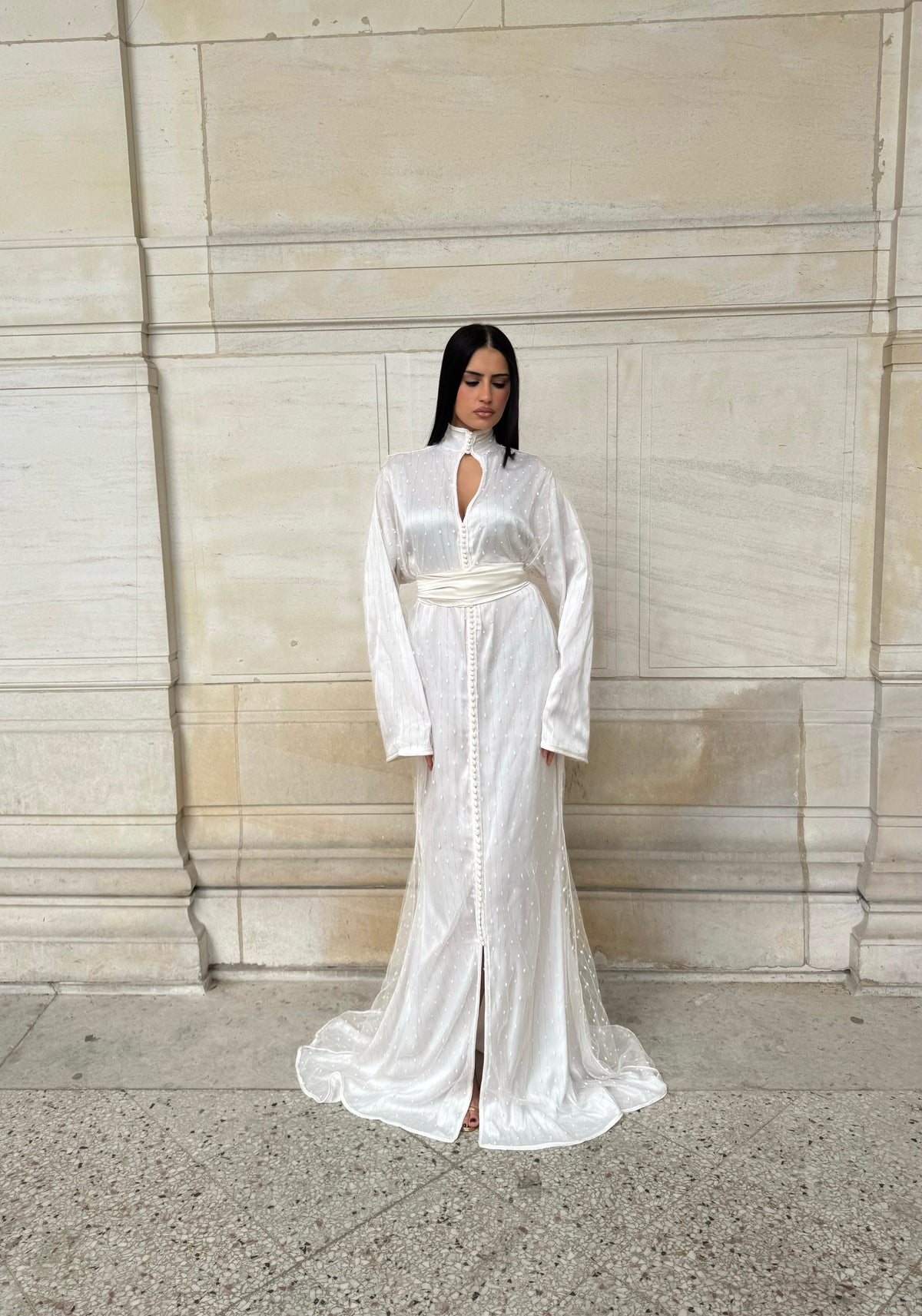
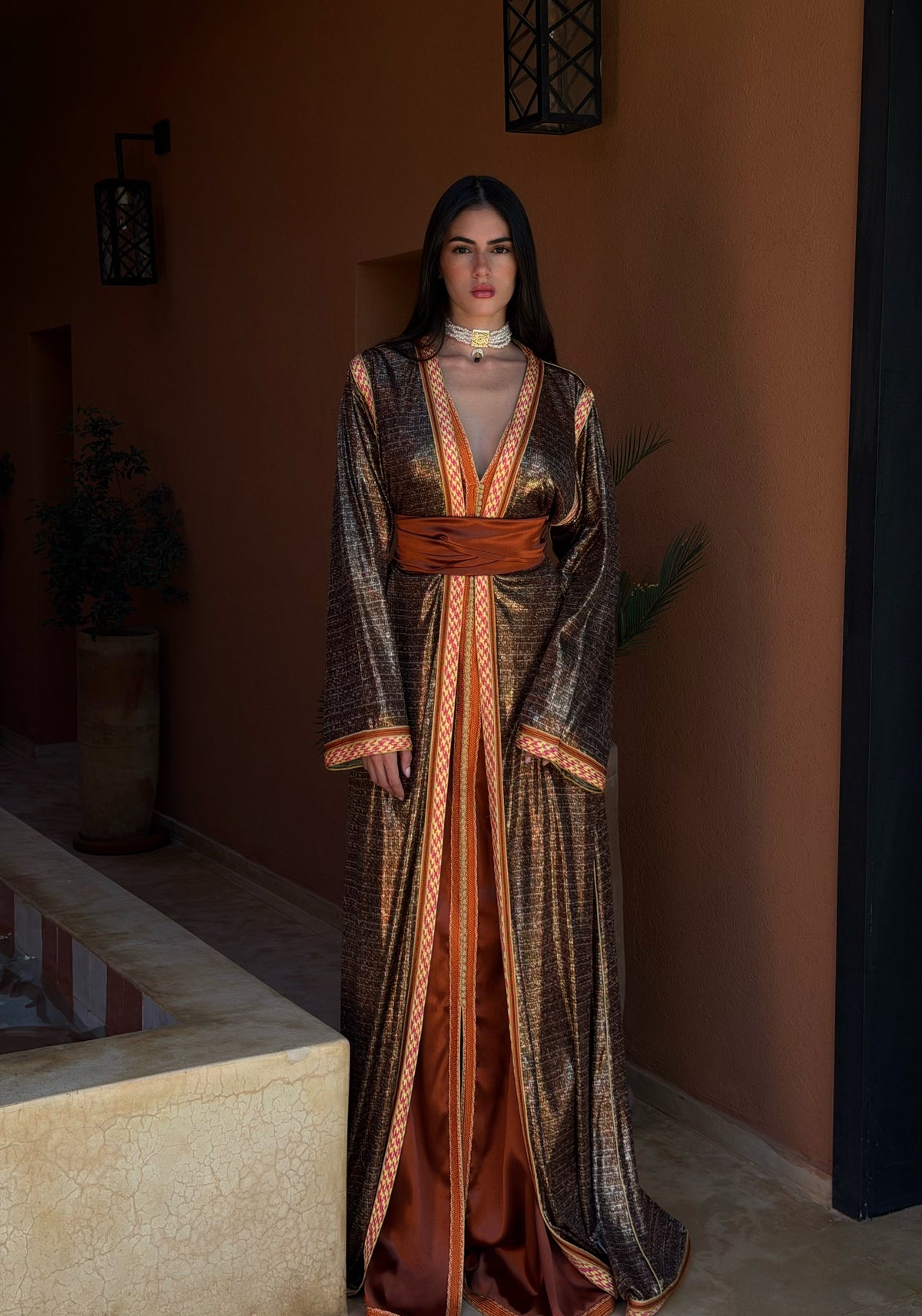
A kaftan or a takchita are the outfits most worn by close family. See all kaftans and our guide what is a takchita?.

For guests
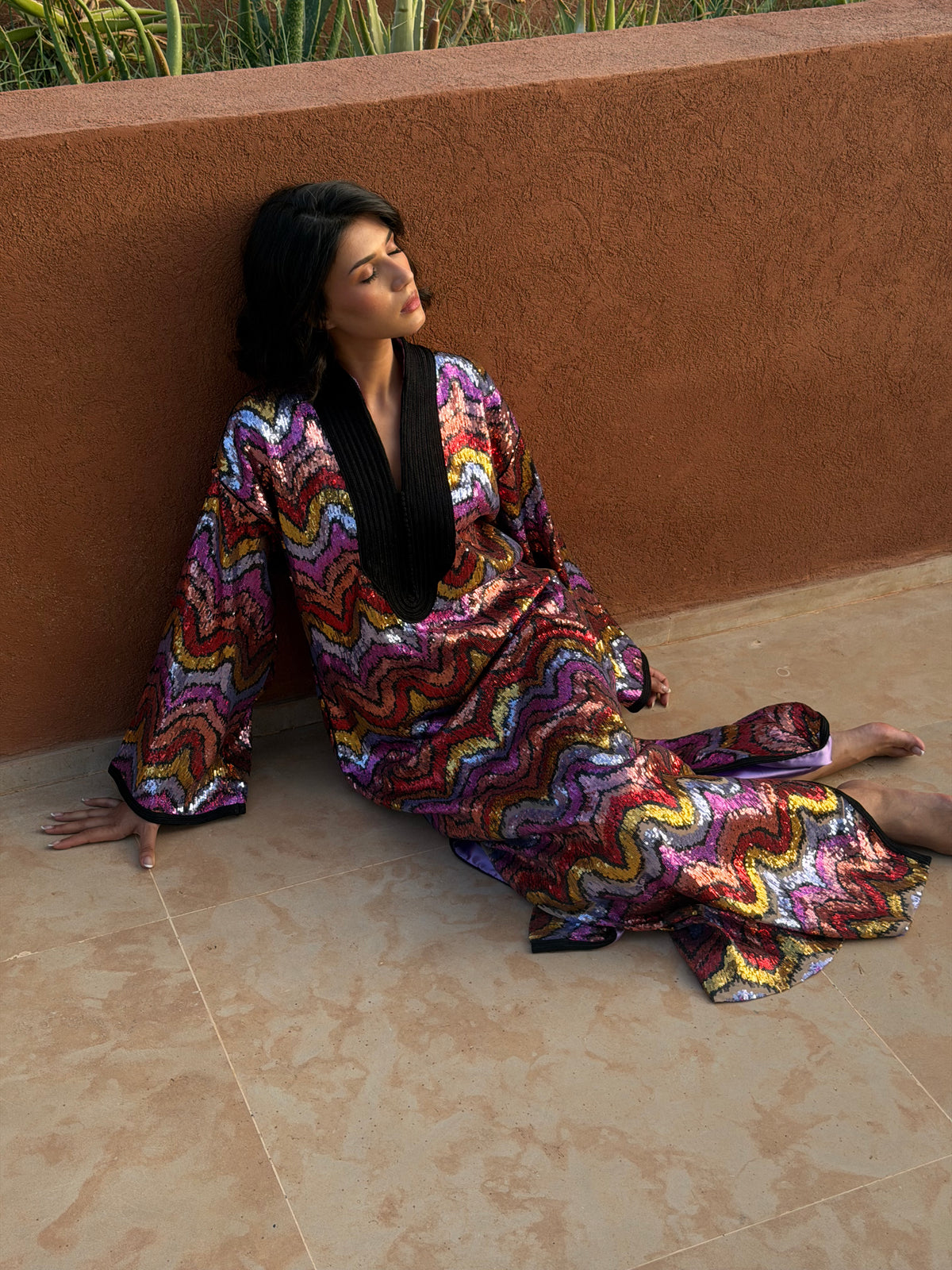
A light kaftan, a modern oriental dress or a set all work well. See kaftans for guests, modern oriental dresses and our guide what to wear as a guest at an oriental wedding.

Our tips for sharing the outfit budget
- List every moment of the wedding and the outfits needed.
- Agree together on who covers what before the first purchases.
- For guests and close family, choose an outfit you can wear again (Eid, family celebrations, evening parties).
FAQ: who pays for the wedding dress
Traditionally, who pays for the wedding dress?
In European tradition, often the bride's family. In many North African families, the groom and his family offer part of the gifts. Customs vary from family to family.
Can the groom pay for the wedding dress?
Yes. Nothing prevents it, and in some families it is part of the gifts offered to the bride.
Who pays for the guests' outfits?
Generally, each guest chooses and pays for her own outfit, for example a kaftan or a modern oriental dress.
How can we avoid misunderstandings about the budget?
By talking early, as a family, about who covers each expense, outfits included.