

What Is an Abaya? Meaning, Styles and How to Wear One
What Is an Abaya? Meaning, Styles and How to Wear One
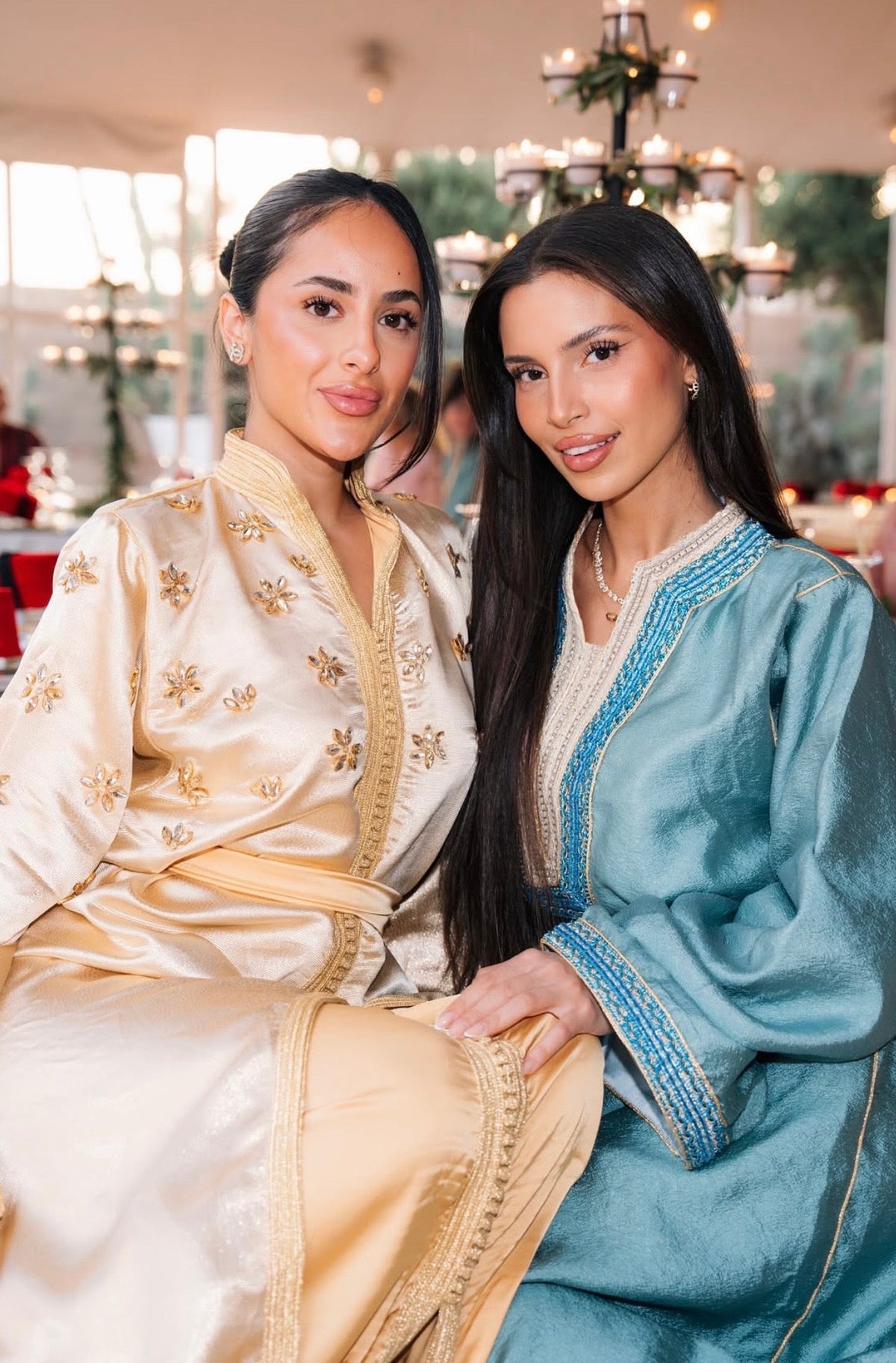
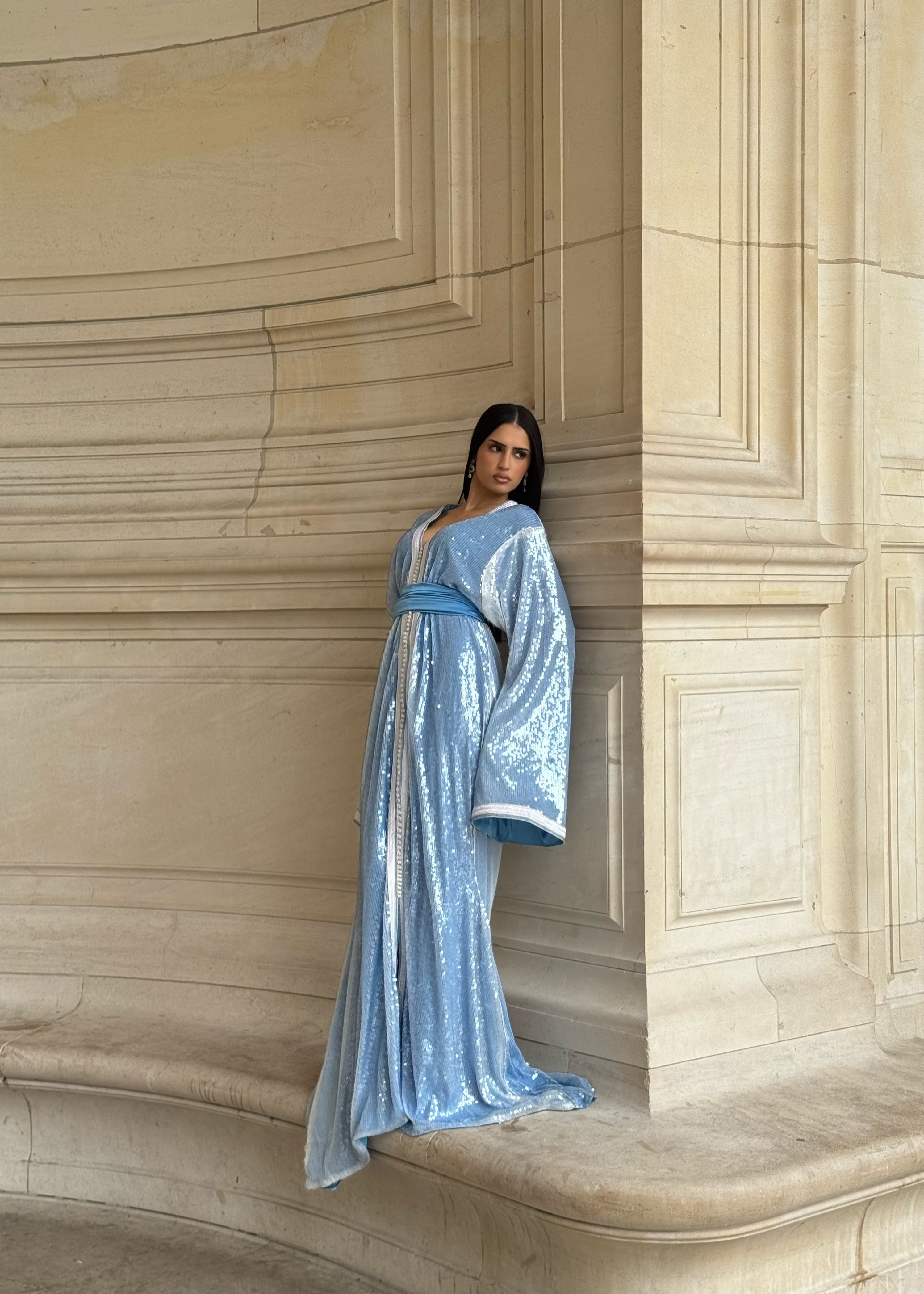
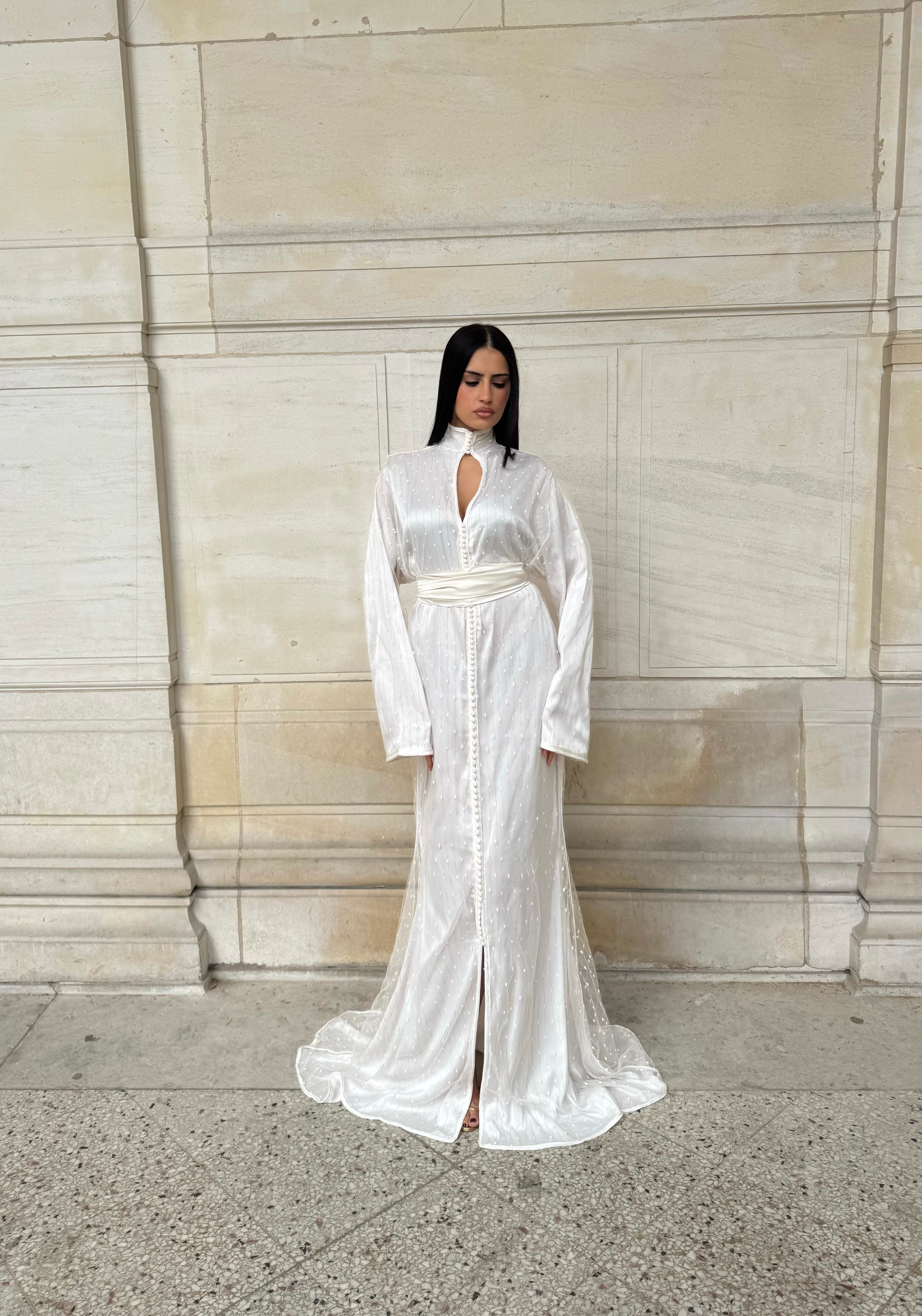
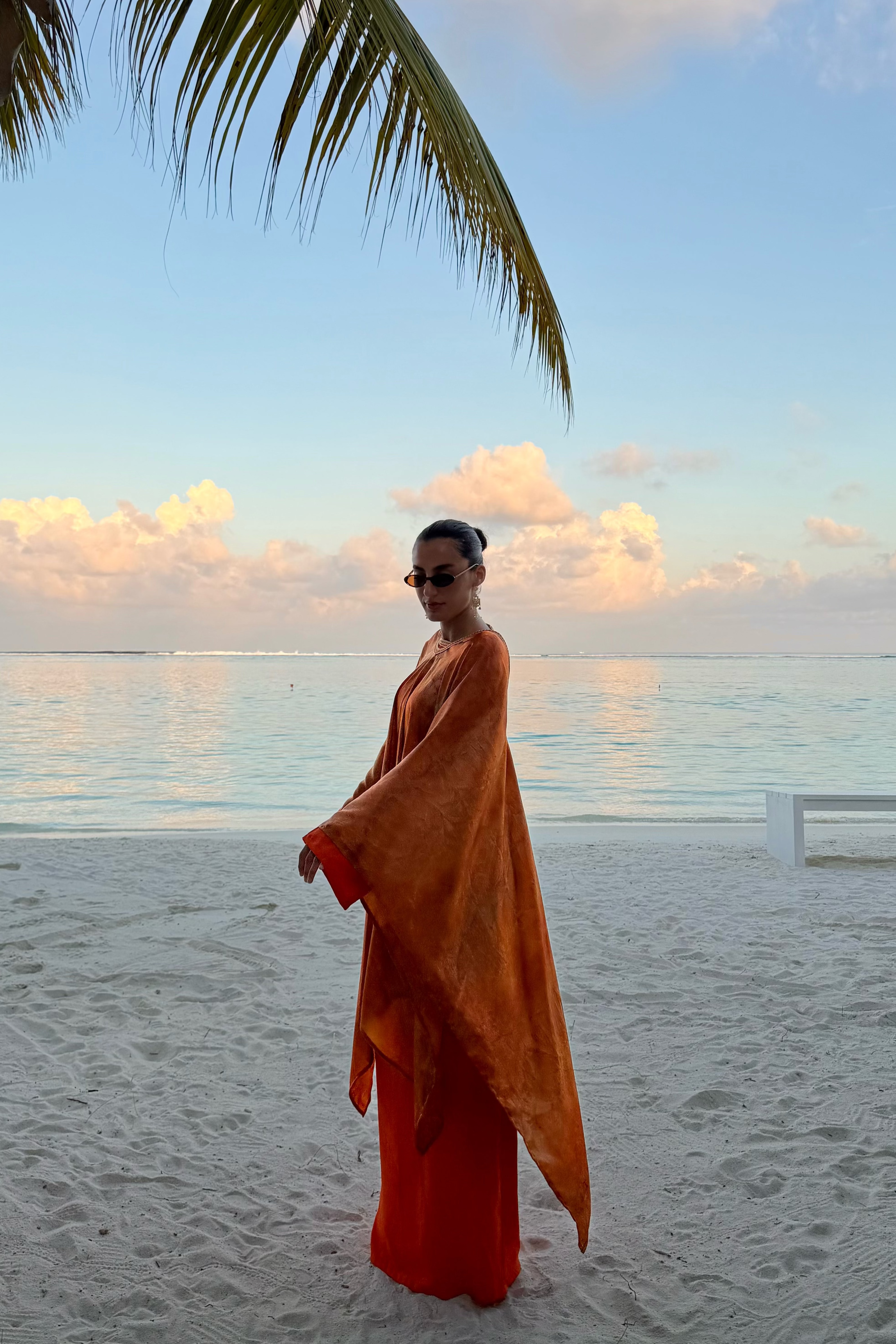
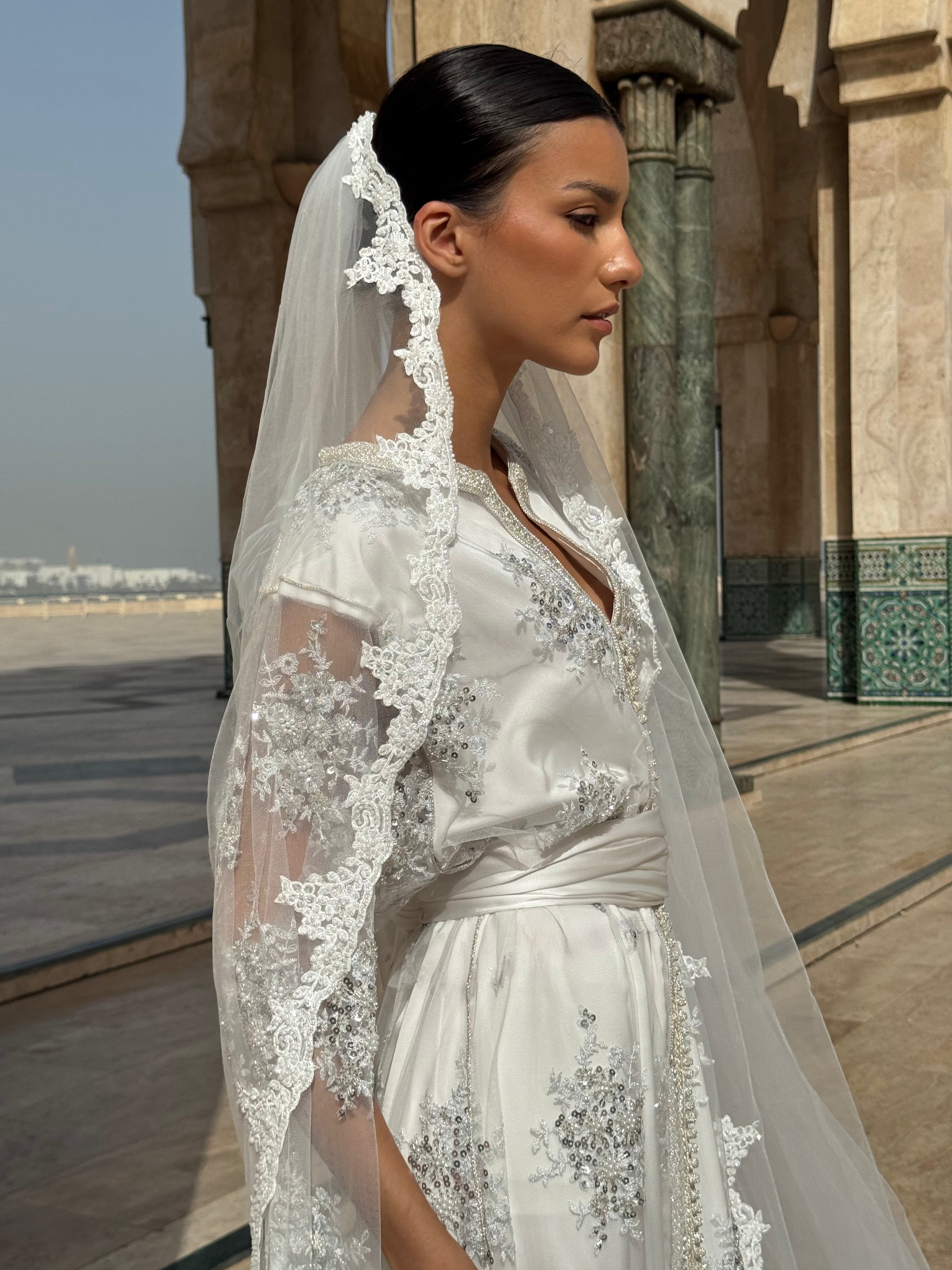
The short answer: an abaya is a long, flowing garment worn over an outfit or closed like a long dress. The modern abaya reimagined by SELHYAN moves away from the classic version with lighter cuts, noble fabrics and finishes drawn from Moroccan craftsmanship, such as hand-woven sfifa trims and embroidery. Elegant, covering and comfortable, it carries from everyday wear to dressed-up occasions.
Below, we explain where the abaya comes from, what sets a modern abaya apart, how to choose one, what to wear it with, and how to care for it.
What is an abaya?
The abaya is a long, loose garment long worn across the Arabian Peninsula and, more widely, the Middle East and North Africa. Once cut straight and plain, it has grown over time into a genuine fashion piece, found today in countless cuts, fabrics and finishes. At SELHYAN, the abaya is reinterpreted in a modern oriental spirit, with Moroccan craftsmanship as its signature.
What is a modern abaya?
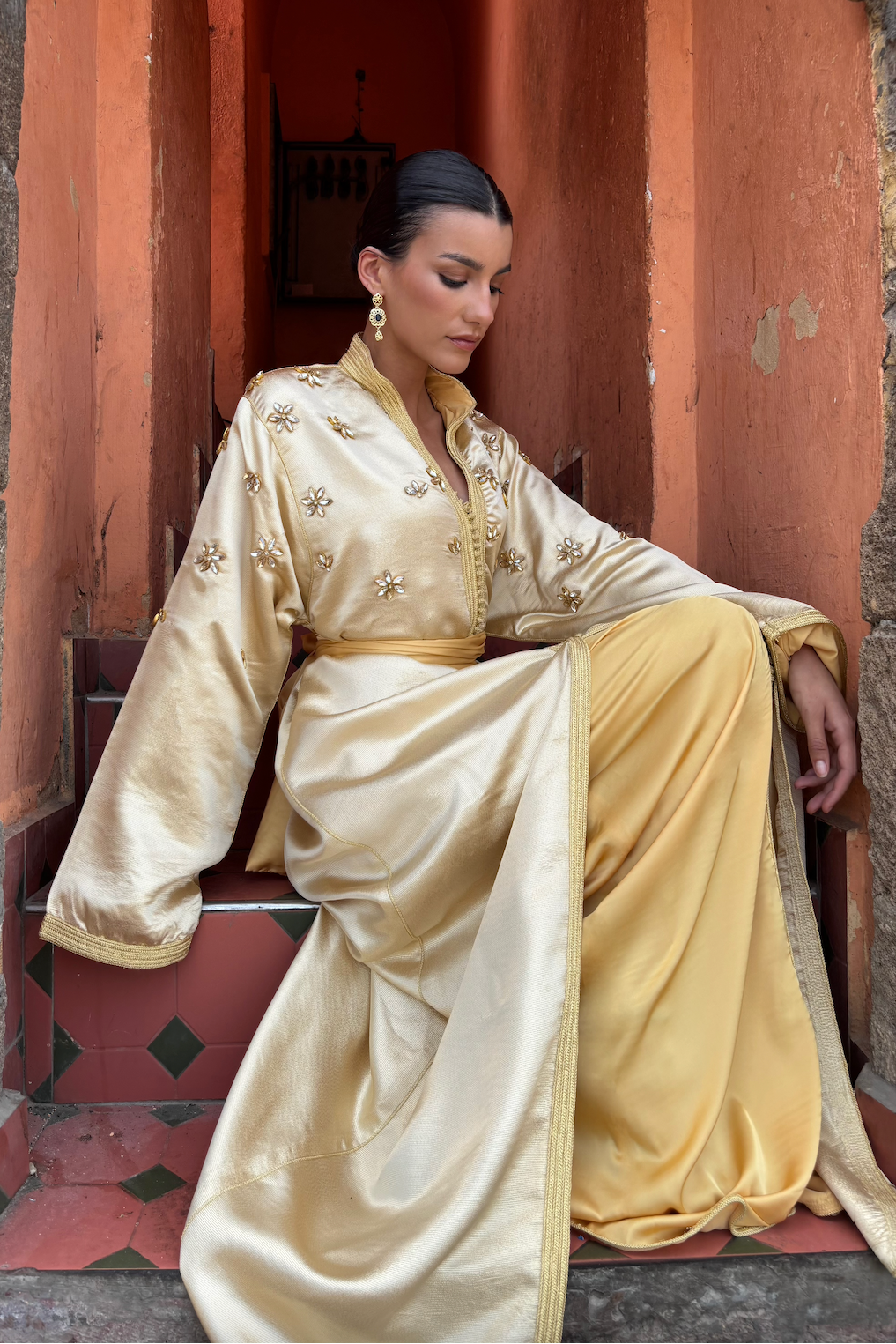
A modern abaya keeps the long, flowing line of the abaya but lightens it and works it like a contemporary wardrobe piece. What sets it apart:
- The cut — fluid and draping, made to skim the body; worn open over an outfit or closed like a dress.
- The fabrics — crepe, satin, chiffon or silk cloth, chosen for their drape and lightness.
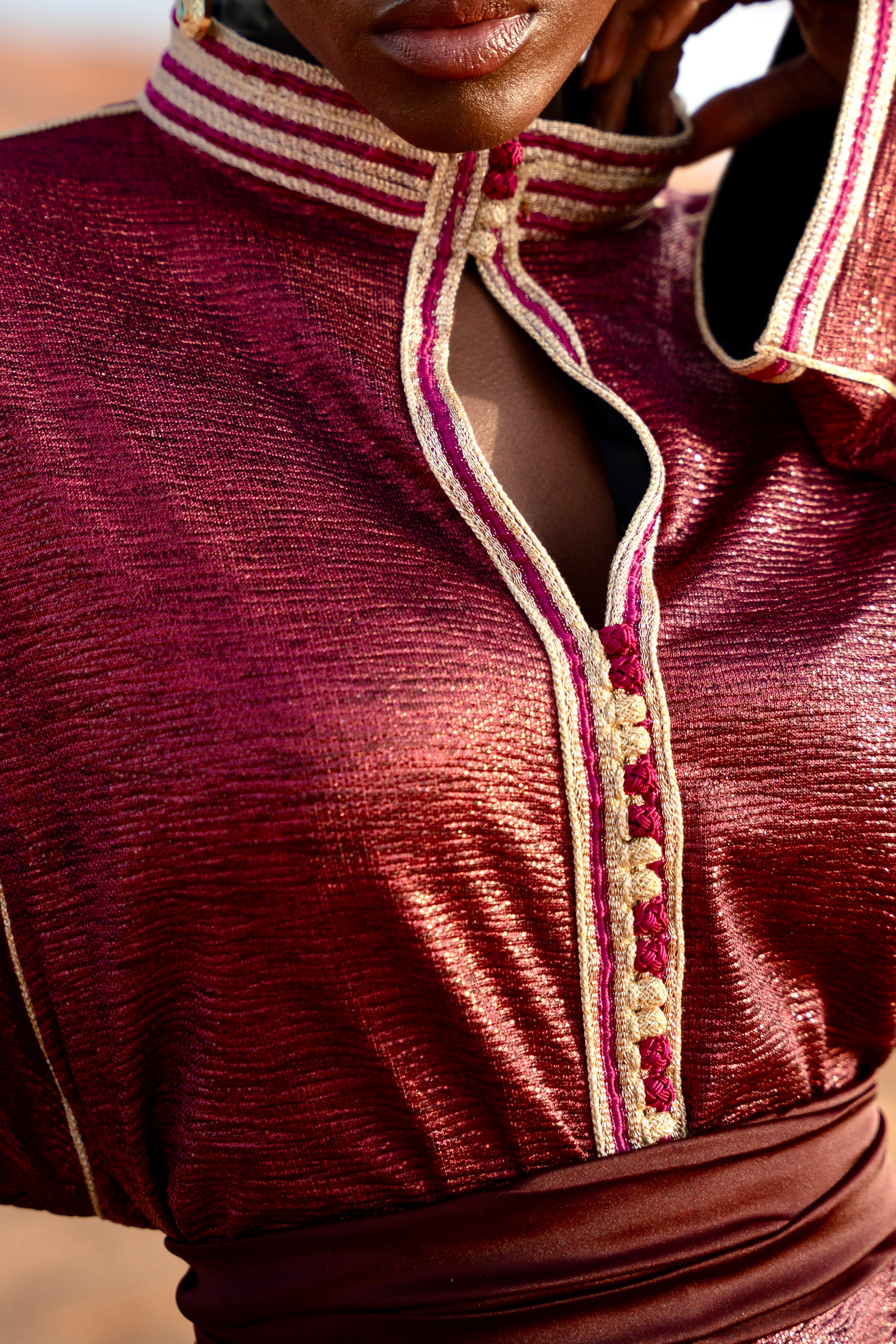
- The finishes — hand-woven sfifa trims, embroidery and buttons inspired by Moroccan passementerie, which bring the detail and the value.
You will find this spirit in our jackets, kimonos & abayas collection, for example on the black polka-dot dress & abaya set or the purple lame dress & abaya set.
Abaya, kaftan or kimono: what is the difference?
These three pieces belong to the same modern oriental wardrobe but play different roles:
- The abaya — a long, flowing piece, worn open over an outfit or closed like a dress. Covering and easy to live in.
- The kaftan — a one-piece ceremonial robe, often in rich, embroidered fabrics. Learn more in our guide what is a kaftan.
- The oriental kimono — a shorter layering piece, ideal for structuring a simple look.
How do you choose an abaya?
- By occasion — a fluid, plain abaya for daytime; an embroidered or lame abaya, belted, for evening.
- By colour — neutrals (black, taupe, ecru) coordinate with everything; jewel tones and lame bring the shine of grand occasions.
- By fabric — crepe and satin for structure, chiffon for lightness, silk cloth for a luxurious drape.
- By fit — an abaya should glide over the body, defined gently at the waist if you wish, never tight.
What do you wear an abaya with?
The rule is simple: the long piece brings the movement and the detail, so keep what is underneath clean to show it off. For daytime, a fluid abaya over a plain set and flat sandals. For evening, belt an embroidered abaya and add a few gold jewellery pieces.
How do you care for an abaya?
These are delicate, worked pieces: store them on a padded hanger, away from light, and entrust embroidered or lame styles to specialist cleaning rather than machine washing. A hand-held steamer, held at a distance, revives the drape without harming the finishes.
What occasions is an abaya for?
The strength of the abaya is its versatility. Day to day, a fluid, plain abaya dresses up jeans or a simple set in seconds. At work, a clean cut in a matte fabric brings understated elegance. When travelling, it slips into a suitcase without creasing and carries from day to evening. For a family celebration, a wedding or Eid, an embroidered or lame abaya worn belted becomes a full occasion outfit — covering, comfortable and refined.
SELHYAN craftsmanship
At SELHYAN, every abaya is designed as a lasting piece rather than a throwaway garment. The sfifa finishes — hand-woven trims that outline the edges and openings — are a legacy of Moroccan passementerie. The fabrics, from crepe to mlifa (a wool-and-silk cloth), are chosen for their drape and how they hold over time. It is this attention to detail, more than the cut alone, that sets a worked abaya apart from a plain long dress.
Frequently asked questions
What is the difference between an abaya and a kaftan?
An abaya is a long, flowing piece worn open over an outfit or closed like a long dress. A Moroccan kaftan is a one-piece ceremonial robe. The abaya is more versatile for everyday wear, while the kaftan is dressier.
How do you wear a modern abaya day to day?
Layer a fluid abaya over a plain top and trousers with flat sandals for daytime. In the evening, belt an embroidered abaya and add a few gold jewellery pieces. Keep what is underneath simple so the abaya stands out.
Which fabrics are best for an abaya?
Crepe and satin hold the silhouette, chiffon adds lightness and movement, and silk cloth gives a luxurious drape. At SELHYAN, hand-woven sfifa trims and Moroccan-inspired embroidery are what set each piece apart.
Where can I buy a modern abaya?
SELHYAN offers modern abayas, oriental kimonos and jackets finished with artisanal details such as sfifa and embroidery. Browse the jackets, kimonos and abayas collection to start. See the collection.
Can you wear an abaya as a dress?
Yes. Closed, an abaya is worn on its own like a long dress; open, it layers over an outfit as a topper. Reversible styles give you both options.
Is an abaya suitable for summer?
Absolutely. Choose light fabrics such as chiffon or a fine crepe in pale tones for a piece that covers but breathes, ideal from warm days to summer evenings.