
Is the Caftan Moroccan or Algerian?
"Is the caftan Moroccan or Algerian?" It's one of the most frequently asked questions — and one of the most sensitive. The honest answer isn't to name a winner, but to understand a rich, shared history. Here are the facts, without controversy.
An Eastern origin, predating today's borders
Historically, the caftan was born neither in Morocco nor in Algeria. Its roots trace back to the East — Persia and the Ottoman Empire are often cited. According to several historians, the garment spread across North Africa through Ottoman influence, notably passing through Algeria, before taking on some of its most famous forms in Morocco. In other words: at its root, the caftan is an Eastern heritage that was later "Maghrebized."
A genuine presence on both sides
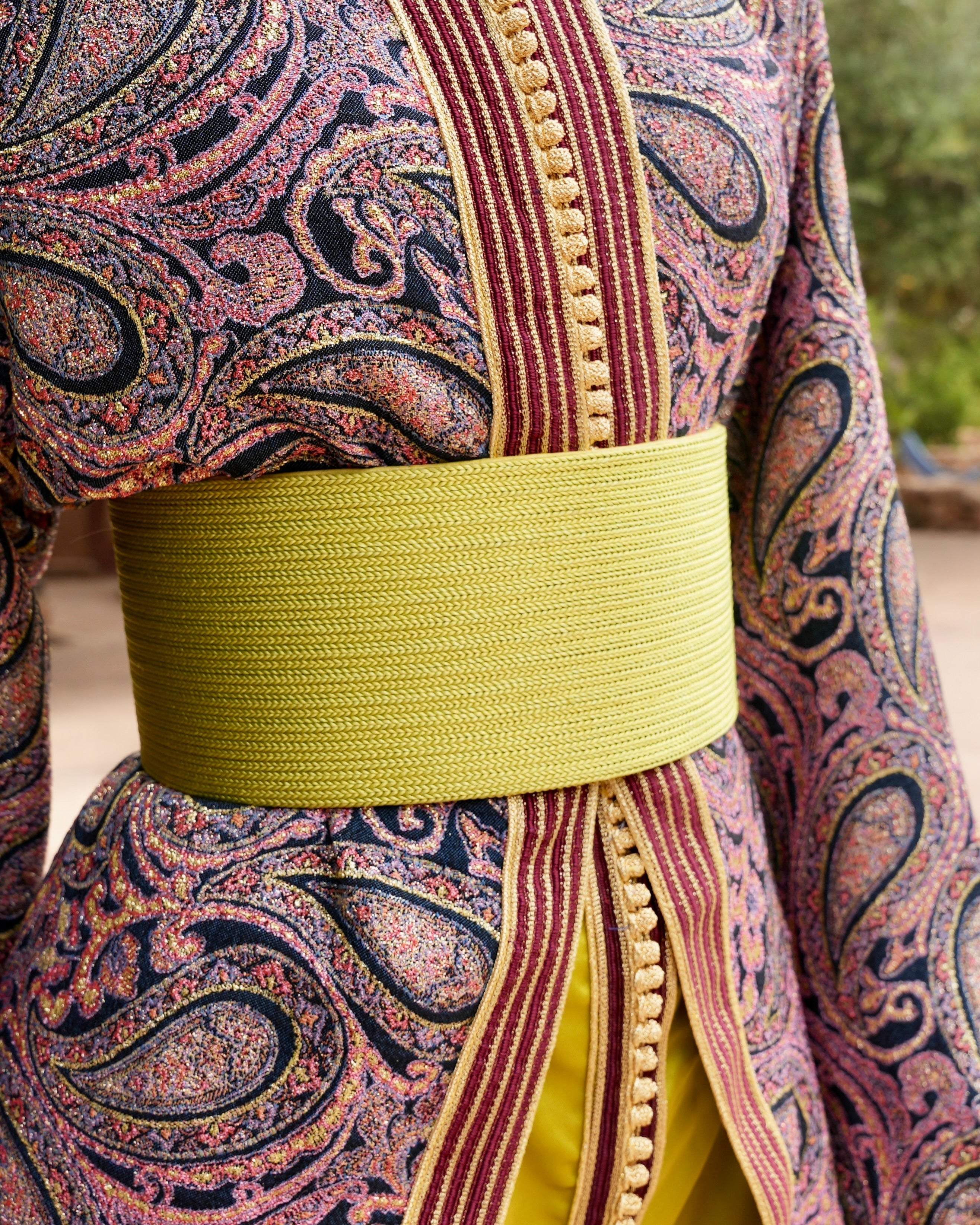
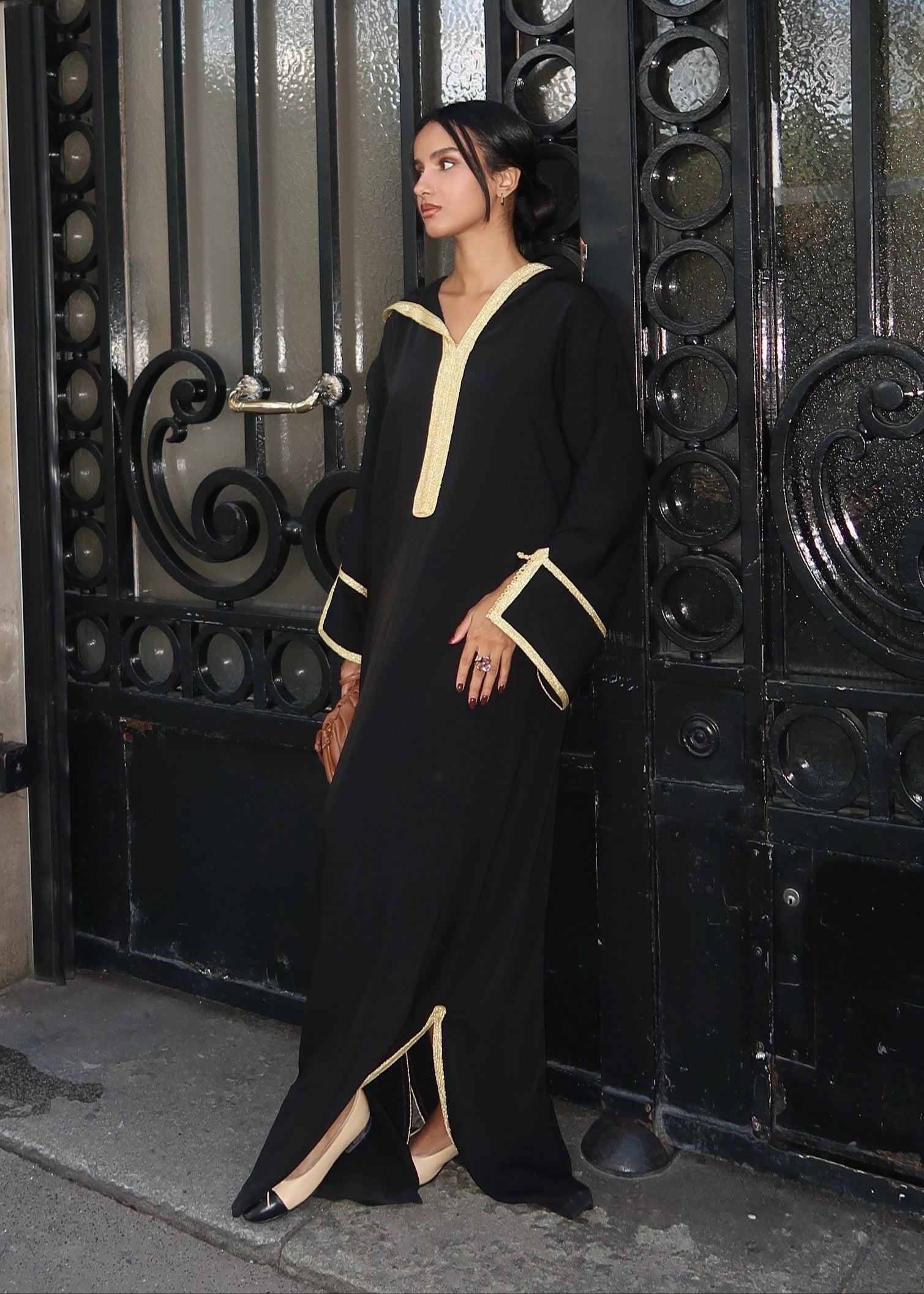
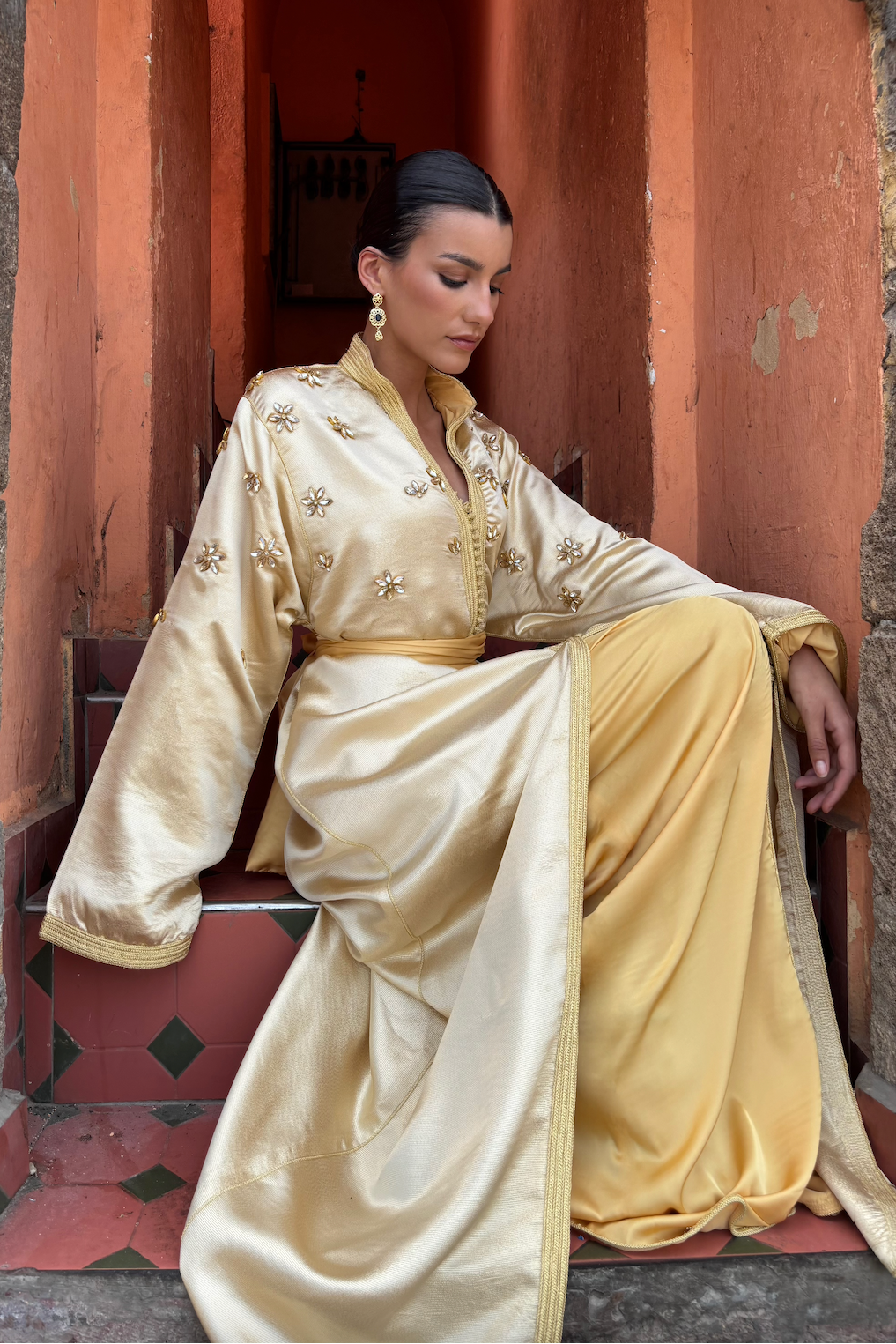
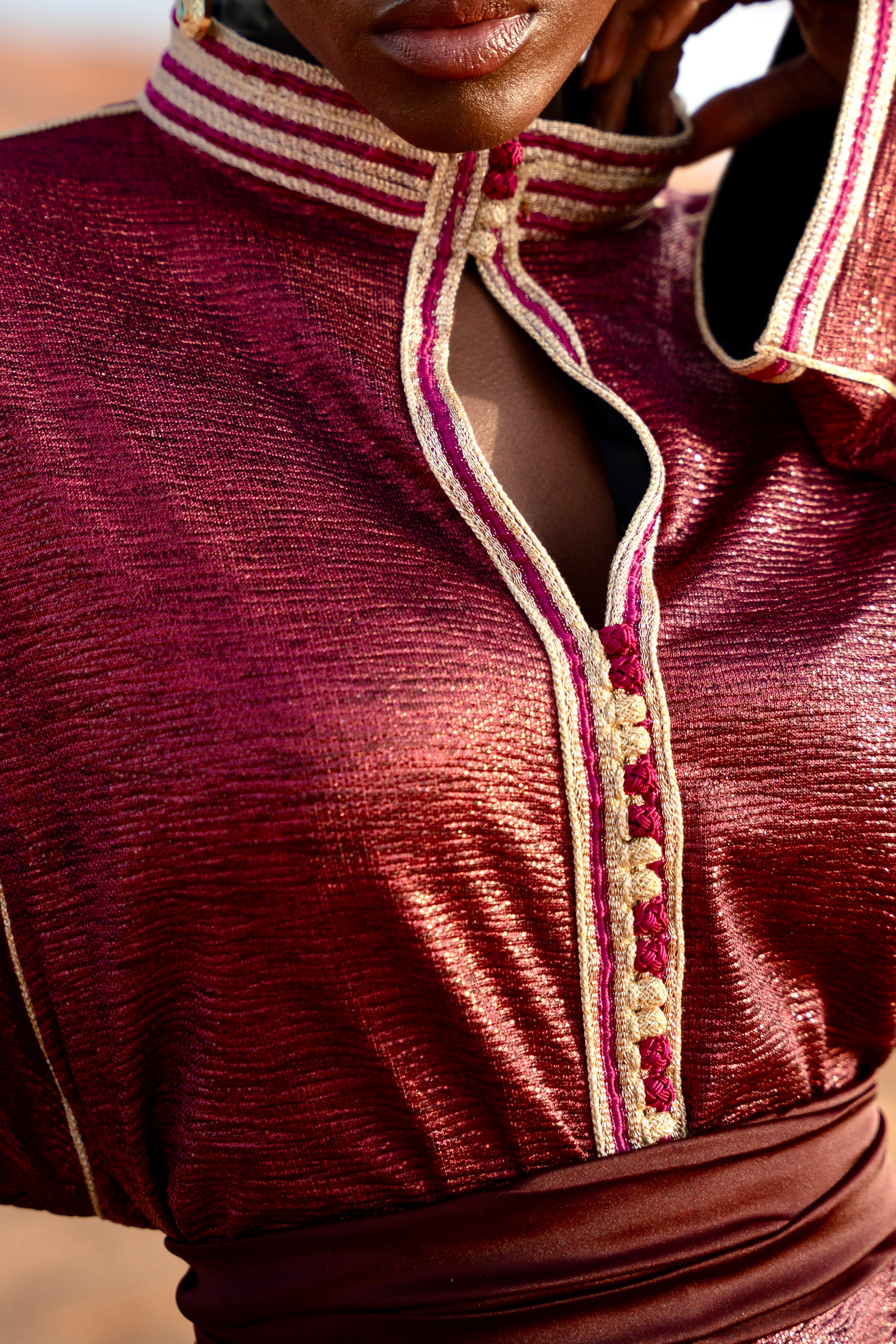
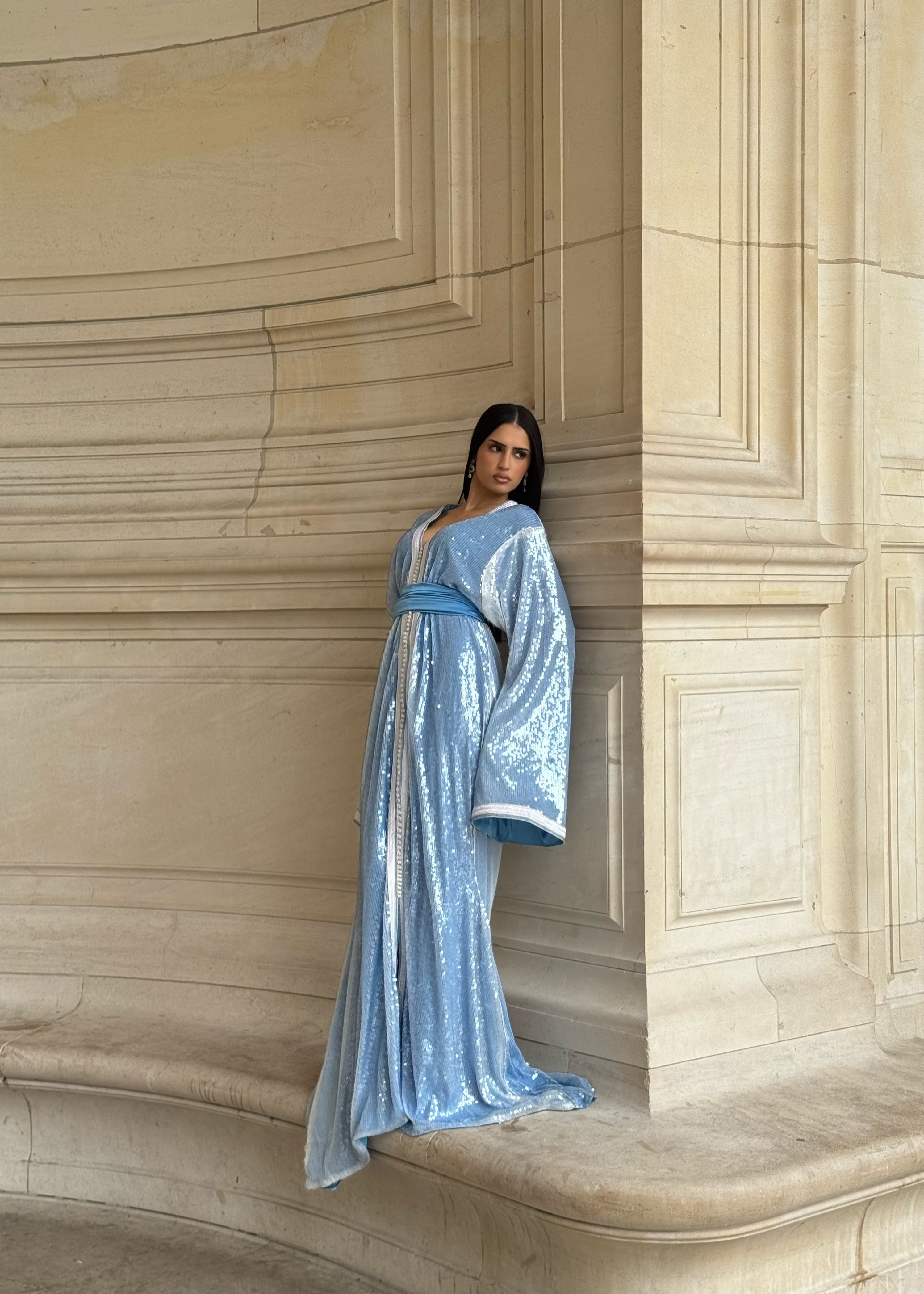
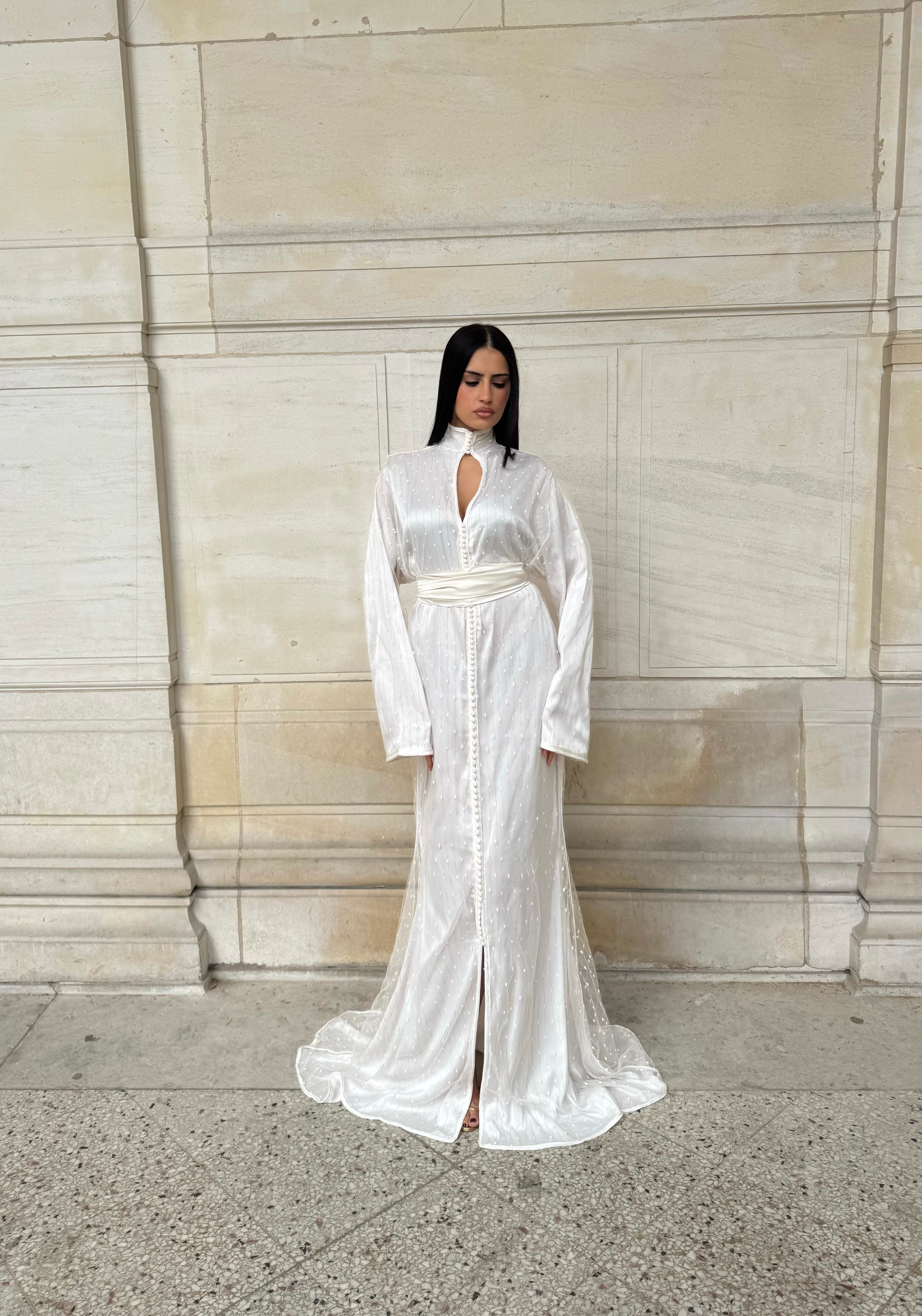
On the Moroccan side, the caftan took shape in the great styles of Fez, Tétouan, and Rabat, with their gold-thread embroidery, brocade, and craftsmanship passed down from generation to generation. It underwent major stylistic evolution and gained significant international recognition.
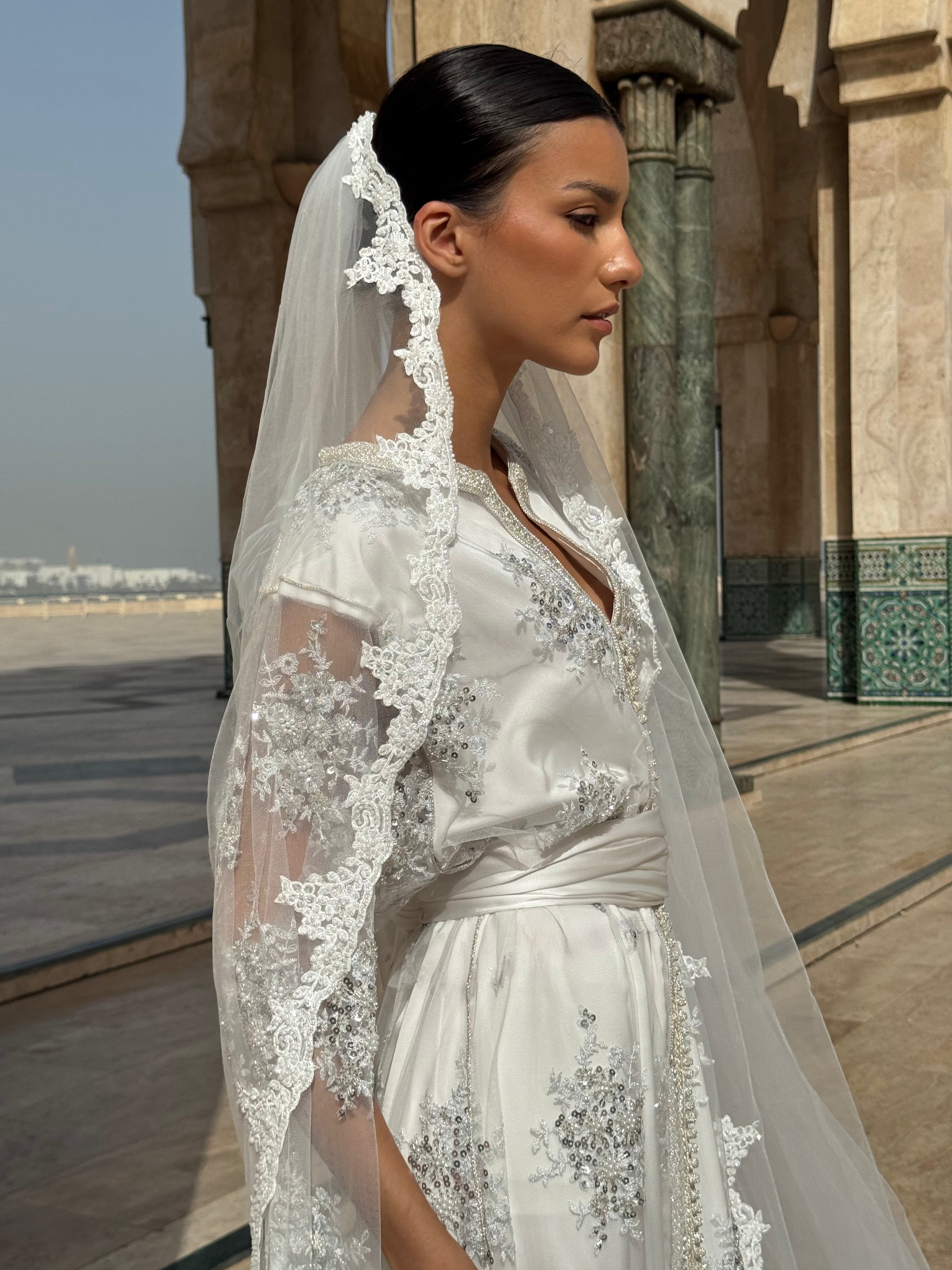
On the Algerian side, very similar ceremonial garments have existed for a long time, particularly in cities with a refined cultural heritage: the chedda of Tlemcen (a famous bridal outfit), the Constantine dress, or the Algiers karakou. All share the same logic: a long, ceremonial garment, worn at weddings, embroidered with gold or silver thread.
Why is the Moroccan caftan better known?
The difference mainly comes down to promotion. The Moroccan caftan has been showcased on runways, stylized, exported, and promoted internationally since the 20th century, eventually being inscribed on UNESCO's intangible cultural heritage list. The Algerian outfits, just as rich, were less "marketed" — which does not make them any less legitimate.
Our view at Selhyan
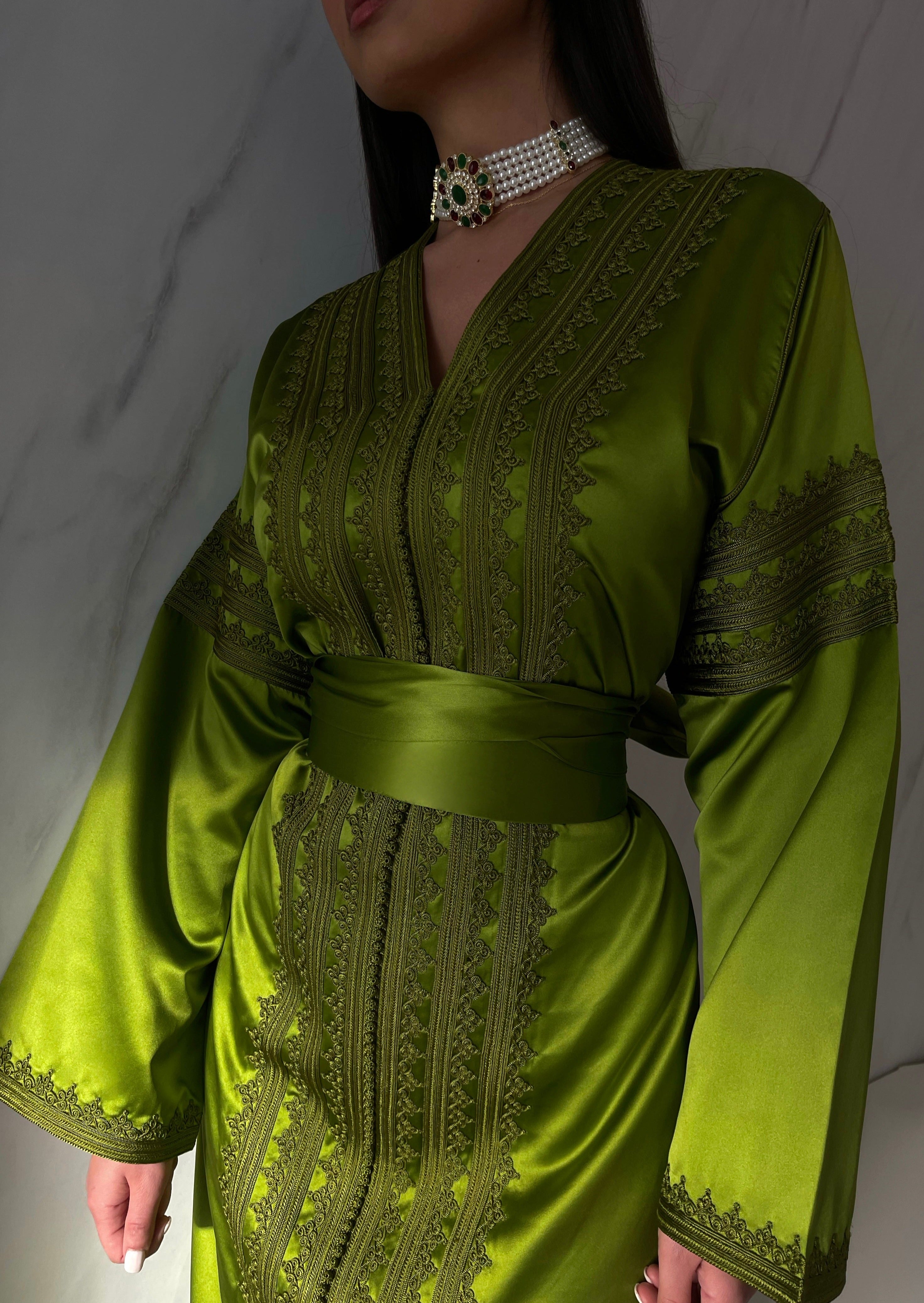
Rather than pit one against the other, we prefer to celebrate. The caftan is the result of a circulation of styles between the East, Al-Andalus, and North Africa. It belongs to a shared Maghrebi and Eastern heritage, to which each region has brought its own signature. That is the richness we love to bring to life in our pieces.
Discover our collection of caftans, including our Kabyle pieces, and explore the diversity of this heritage. For advice, book an appointment at our Paris boutique.